Stable. Secure. Blind.
What my self-preservation instinct revealed about the way I live

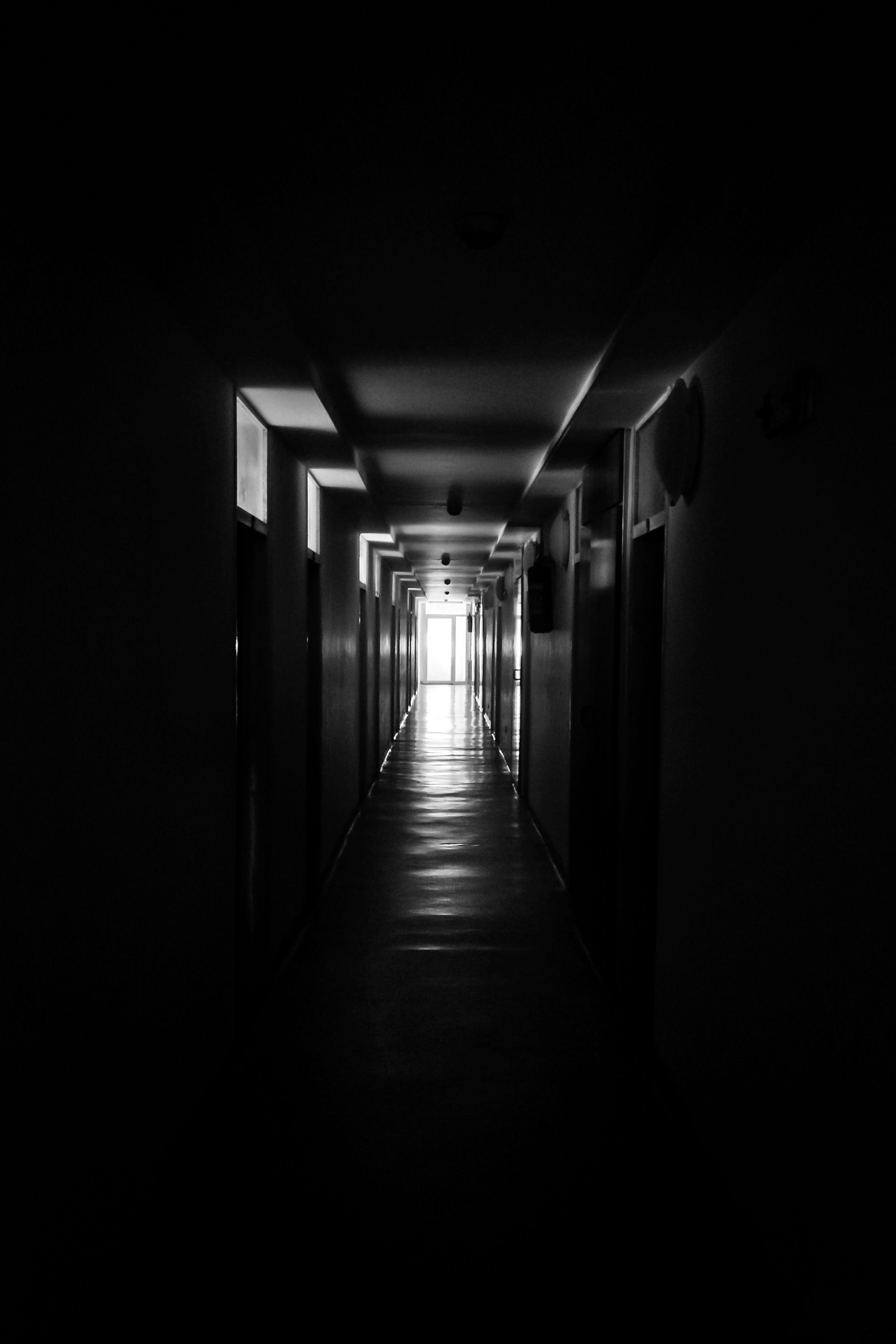
Photo by nedimshoots on Unsplash
I get up around 5:00 am. Three plus days a week, I get on my Peloton, and when I don’t, I’m at the gym exercising before my first client. I meditate every single day. I grocery shop for fresh, mostly organic food and rarely eat a treat (boring, I know). We don’t drink. Our home is simple, comfortable, and I consider it my sanctuary. We live a modest life and feel financially stable, thanks to our gym and my husband’s commitment to it. Personal growth matters to me. I read. I’m in bed by 9:00 pm.
Boring.
Stable.
Secure.
Predictable.
Committed to taking care of myself.
If Self-Preservation were a sport, I’d be on the podium.
I never gave much thought to this. I figured most people in my life prioritize Self-Preservation. After all, we own a gym, and our clients are either prioritizing it or hiring us to help them do so.
But the thing about “the work,” walking the talk, is that it requires a kind of awareness most of us don’t naturally bring to ourselves. My Instincts class continues to help me walk the talk. This class feels like shining a bright flashlight down a dark hallway. What you can’t see can be scary. But once it’s lit, you can’t pretend you don’t know the way forward.
And there is grief in that.
The moment of, “Wow… I’ve really been showing up like that?” can feel icky. My strong Social blindspot feels icky most of the time now that I see it. I imagine everyone’s blindspot carries that same discomfort. And then there is seeing the seen. Maybe reading all of my Self-Preservation stuff stirred something in you, too. That’s human.
For me, that Social blindspot, looked like not recognizing people. Being “bad with names and faces.” Coming across as self-absorbed. Missing opportunities to acknowledge other humans. Missing connection. My husband often compensated for that. But seeing what I missed still feels like a loss. And there is that grief.
But this week isn’t about Social.
This week is about Self-Preservation.
In class, Russ unveiled his framework for working with the instincts. He organized each instinct into three zones and five behaviors. As a fellow Five, I love a good system. So naturally, I’m sharing.
Self-Preservation is about home, health, and resources. It tracks whether you’re safe, stable, and supported.
Using Russ’ three zones and five behaviors, let’s explore.
First Zone — Self Care and Well-being
Nutrition (check)
Fitness (check)
Sleep (check)
Relaxation (check)
Personal growth (check)
Second Zone — Maintenance and Resources
Finances (check)
Time management (check)
Life skills (check)
Work habits and persistence (check)
Energy management (check)
Third Zone — Domesticity and Home
Comfort (check)
Safety and security (check)
Order and structure (ish)
Sanctuary (check)
Restorative (check)
That’s a lot of check marks.
No wonder I feel stable.
It suggests Self-Preservation might be dominant for me. Just last week, I thought I was Sexual dominant. I even wrote a whole blog about it. Apparently, I’m still sorting myself out.
What about you?
How many check marks did you have?
Russ mentioned that our inner critic is especially loud around our blindspot. We think about making changes. We talk about making changes. Doing is another story. That’s why people hire trainers. Accountability bridges the gap between awareness and action. It’s also why they hire coaches or guides (just sayin’).
And this applies whether you are blind in Self-Preservation, Sexual, or Social.
Earlier this week, a client told me, last week’s blog sparked a conversation with her partner about instincts. It’s real. Instinctual patterns show up in relationships constantly. When you understand your stacking or maybe start bringing awareness to it, you begin to see why conflict happens and where friction lives.
Russ once said, “If you ask me directions to Istanbul, I can’t give them to you unless I know where you are starting from.”
Most of us don’t know where we’re starting from.
That’s why the first step is understanding your dominant Enneagram point. You can look at a Self-Preservation list and check boxes, but without understanding your core pattern, you won’t fully understand why you landed there. Your point influences how each instinct expresses itself.
I think it’s great that you’re reading these blogs and applying them to your life. Keep noticing. Keep asking. Keep observing your patterns.
And that hallway might just get a little brighter.
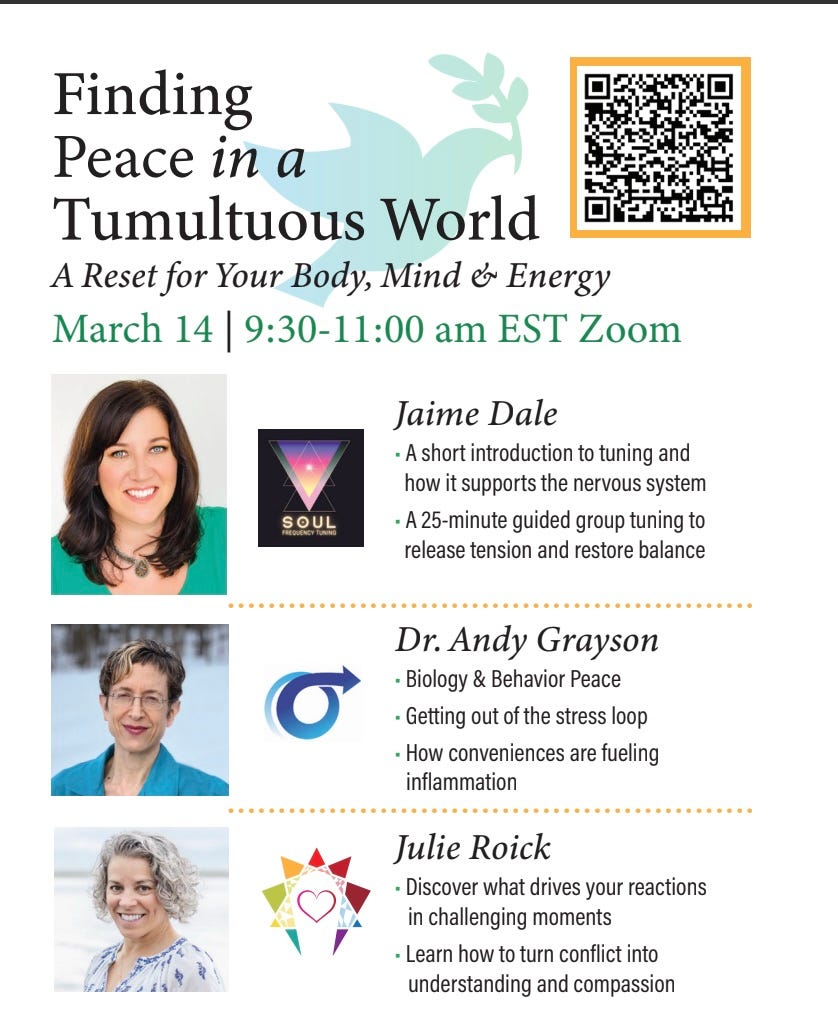
Here is an example of my work in my Social blindspot. A collaboration. I hope you take some time for some Self-Preservation and join us.